
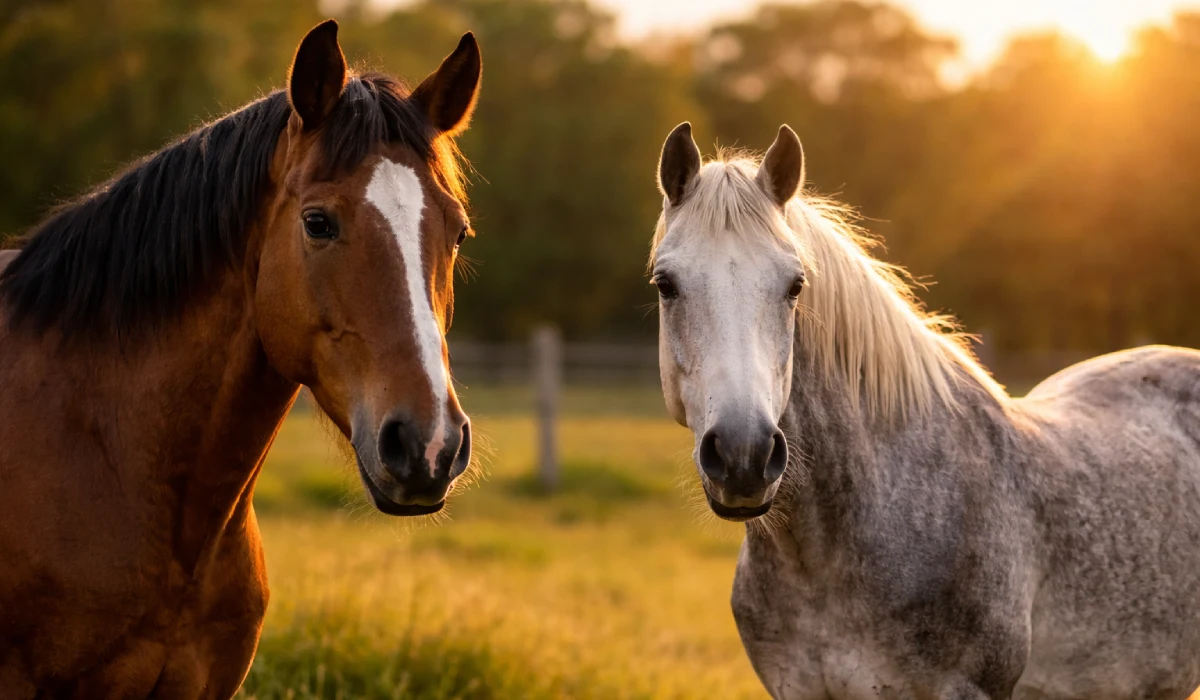
Fecal water in horses – causes and targeted treatment
Fecal water is one of the most common yet puzzling digestive issues in horses. Many horse owners are familiar with the situation: the horse appears healthy, eats normally, shows no signs of colic – yet the hindquarters are constantly dirty, the tail base is sticky, and watery fluid is found alongside normal manure in the stable.
For horse owners, riding stables and breeders, fecal water is far more than just a cosmetic issue. It leads to increased care effort, can cause skin irritation, and raises the recurring question: why does this happen – and what can be done about it?
This article highlights the most important causes, explains the difference from diarrhea, and shows which measures can help stabilize the horse’s digestive system.
1. Diarrhea or fecal water?
The terms diarrhea and fecal water are often used interchangeably. Medically, however, they are two different conditions:
Diarrhea in horses
- the entire manure is soft or liquid
- often an acute condition
- frequently accompanied by fever, colic or lethargy
- veterinary examination is urgently required
Fecal water in horses
- the manure itself is usually normally formed
- watery fluid is excreted in addition
- often chronic or after feed changes
- horse usually appears healthy and capable
With fecal water, the liquid separates from the manure, while the droppings themselves often remain relatively normal in consistency.
This difference makes fecal water difficult to explain. In many cases, veterinarians cannot identify a clear underlying disease, even though the problem is clearly visible.
2. Typical signs of fecal water
Fecal water usually develops gradually. Early signs include:
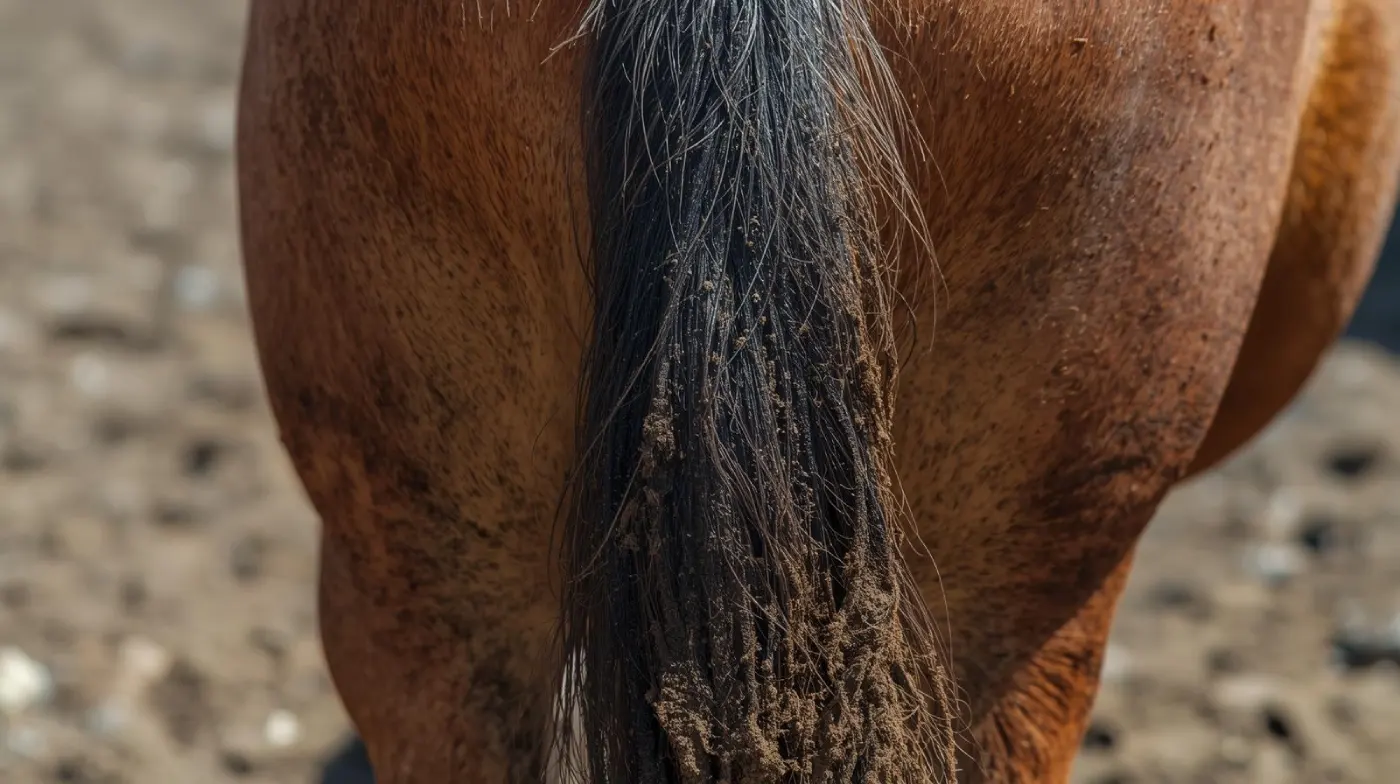
- moist or sticky tail base
- dirty hind legs
- wet areas under the tail
- dark streaks on the hindquarters
- skin irritation or eczema
In more severe cases, water may visibly run from the anus while the manure itself remains formed.
Many horses also show symptoms intermittently – for example in spring, during feed changes, or in stressful situations.
3. The most common causes of fecal water
1. Fluctuating forage quality
Hay is the horse’s most important feed. Changes in hay quality are among the most common triggers of fecal water.
Possible factors include:
- varying plant composition
- harvesting too early or too late
- dust or mold spores
- strong fluctuations in sugar or protein content
A sudden change of hay – for example when changing stables or suppliers – can be particularly problematic.
2. Stress and environmental factors
Stress directly affects intestinal movement.
Typical stress factors include:
- changing stables
- new herd structure
- transport
- competitions
- changes in training
The gut reacts to stress with changes in motility. Water is no longer optimally bound in the large intestine – fecal water can occur.
3. Sensitive gut flora
The horse’s gut flora consists of billions of microorganisms and plays a crucial role in digestion and stability.
4. Structural issues in intestinal content
If the intestinal content lacks structure, liquid can separate from solid manure.
The result: normal manure – plus additional water.
5. Metabolic stress
Environmental substances such as mycotoxins or heavy metals can also place strain on the digestive system.
4. Why fecal water is often difficult to treat
Many horse owners report that they have already tried numerous measures, such as herbal mixtures, gut flora products, or changes in feed and mineral supplements. Some of these measures provide short-term improvement, while others have no effect at all.
The reason: fecal water is usually not caused by a single issue, but rather by a combination of factors. In many cases, it is less about “adding something” and more about stabilizing and relieving the digestive system.
5. What you can do about fecal water

1. Analyze feeding
The first step is always to review the feeding strategy.
Key questions include:
- Has the hay changed?
- Is enough forage being fed?
- What is the proportion of concentrate feed?
- Are there many feed supplements?
A stable forage base is essential.
2. Introduce feed changes gradually
The horse’s digestive system needs time to adapt. Feed changes should therefore always be made gradually, ideally over several days or weeks.
3. Reduce stress
Sensitive horses benefit from consistent routines, sufficient exercise, a stable herd structure, and adequate forage. Proper management and a calm environment often help stabilize digestion.
4. Support digestion in a targeted way
Supplementary feeds can also help stabilize the digestive system.
The focus is on three key aspects:
- structure within the intestinal content
- binding excess fluid
- stabilizing the intestinal environment
Natural components such as fiber or mineral binding agents are commonly used.
6. Vetamin – a proven approach to support digestion
In addition to the approaches mentioned above, very good results have been achieved by supporting the digestive system not biochemically, but physically.
This is where the supplementary feed Vetamin for horses comes in.
Vetamin combines several natural components:
- Veta zeolite (clinoptilolite)
- pumpkin powder
- dolomite as a mineral source
Zeolite is a natural volcanic mineral with a highly porous structure, used as a binding agent in animal nutrition. In humans, zeolite is often used to support the gastrointestinal tract, with PMA zeolite from PANACEO being particularly well known.
The quality of PMA zeolite is based on its fine processing. The particles have a very large surface area – one gram can provide a usable surface of around 1,000 m².
Pumpkin powder and fiber provide natural digestive support, while dolomite supplies calcium and magnesium, which are important for digestive enzymes and muscle function.
Experience from practice and studies
Vetamin has been used in animal nutrition for many years.
Practical experience shows that horse owners often observe improvements in digestion and overall well-being.
Veterinarians and nutrition experts also report that horses with digestive issues often show noticeable improvement when using Vetamin.
7. Conclusion: fecal water can often be managed through feeding
Fecal water in horses is rarely a simple issue. In many cases, there is no underlying disease, but rather a sensitive balance between:
- feeding
- stress
- digestive physiology
- metabolic load
For horse owners, this means:
- analyzing the causes
- stabilizing feeding
- reducing stress
- supporting digestion in a targeted way
Supplementary feeds with a physical mode of action – such as Vetamin – can be a useful support, especially for horses with sensitive digestion.
Anyone who wants to address fecal water sustainably should consider management, feeding, and targeted digestive support together.

Note:
Vetamin is available as a supplementary feed and can be used as supportive care when appropriate. Further information and ordering options can be found in the Vetamin shop.
Related products
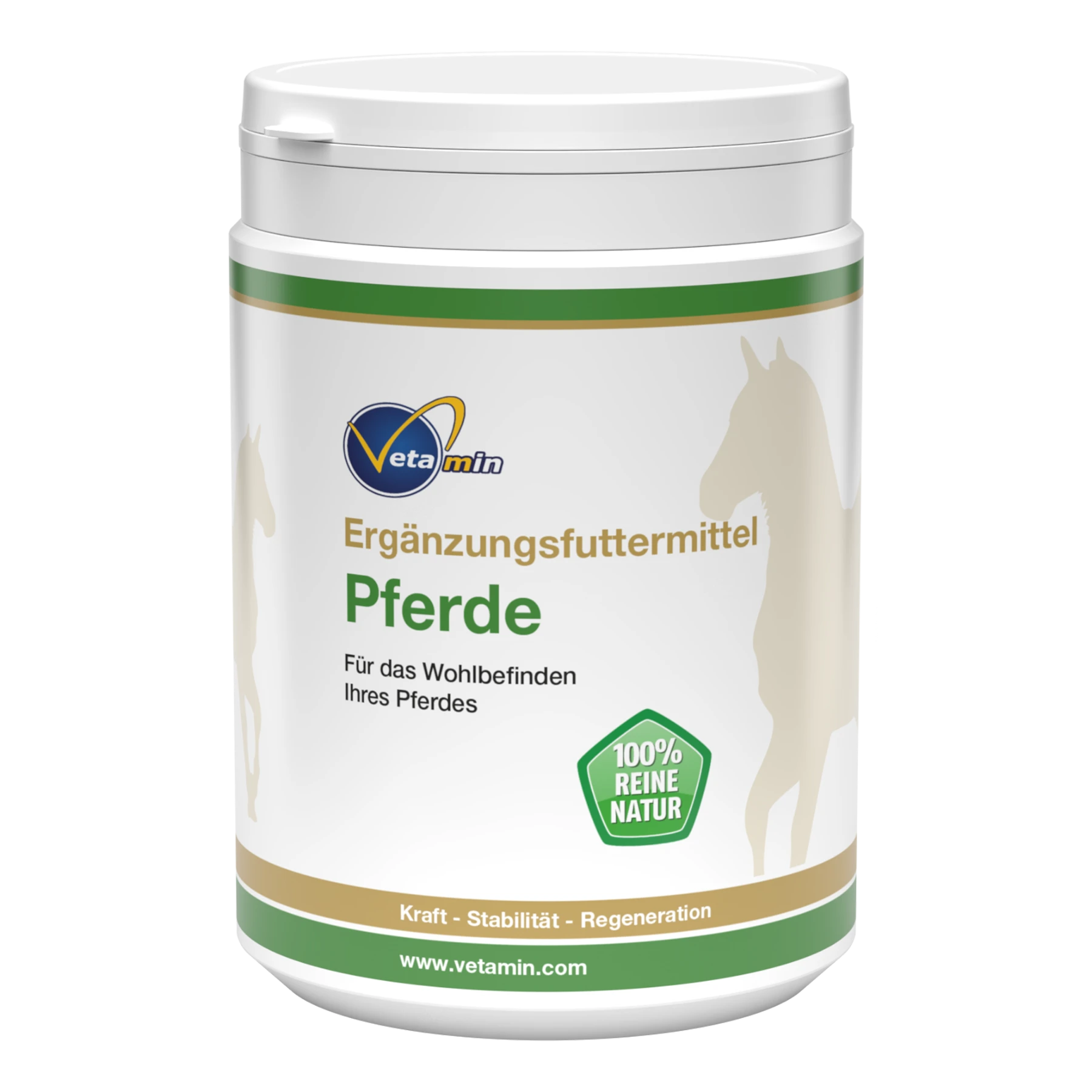
Content: 400 g (€6.25 / 100 g)
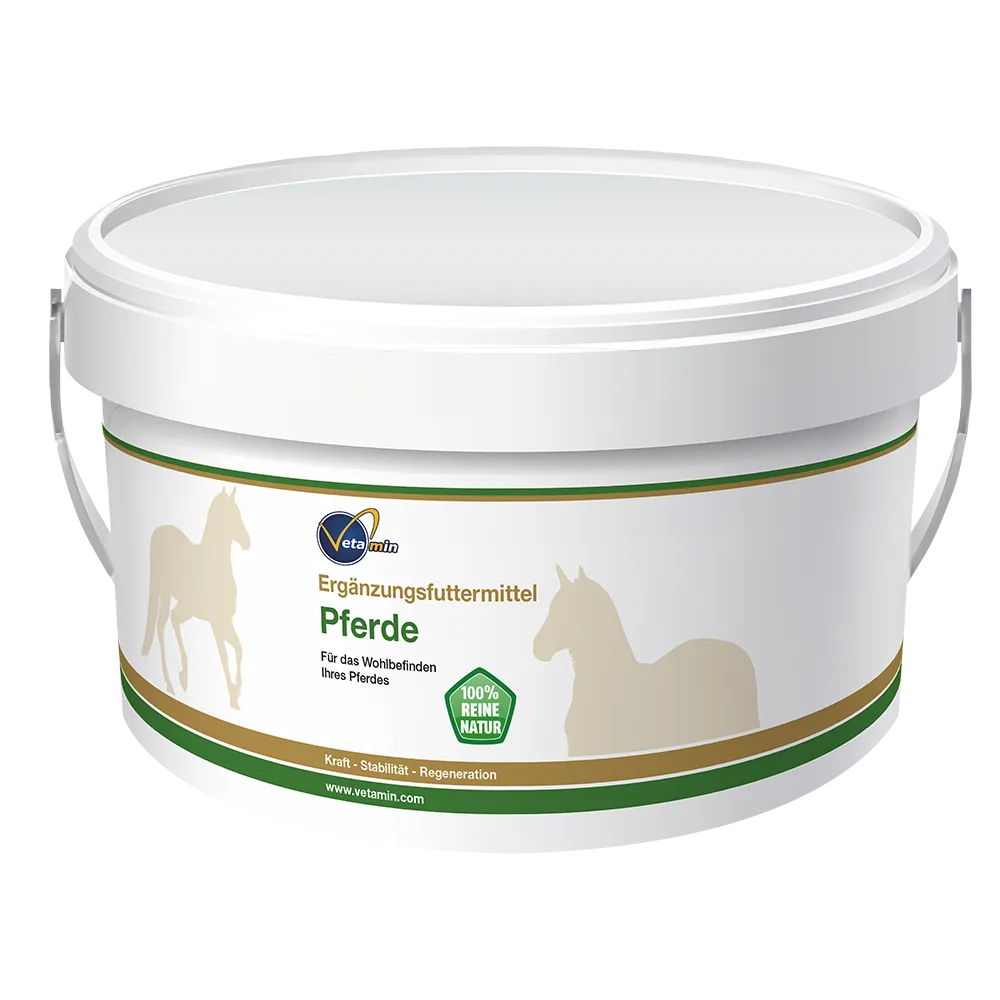
Content: 1500 g (€3.91 / 100 g)